Halal Blood Supply Chain Analysis Using the House of Risk Method
DOI:
https://doi.org/10.12928/si.v24i1.548Keywords:
Blood transfusion, Halal blood supply chain, House of risk, Risk mitigationAbstract
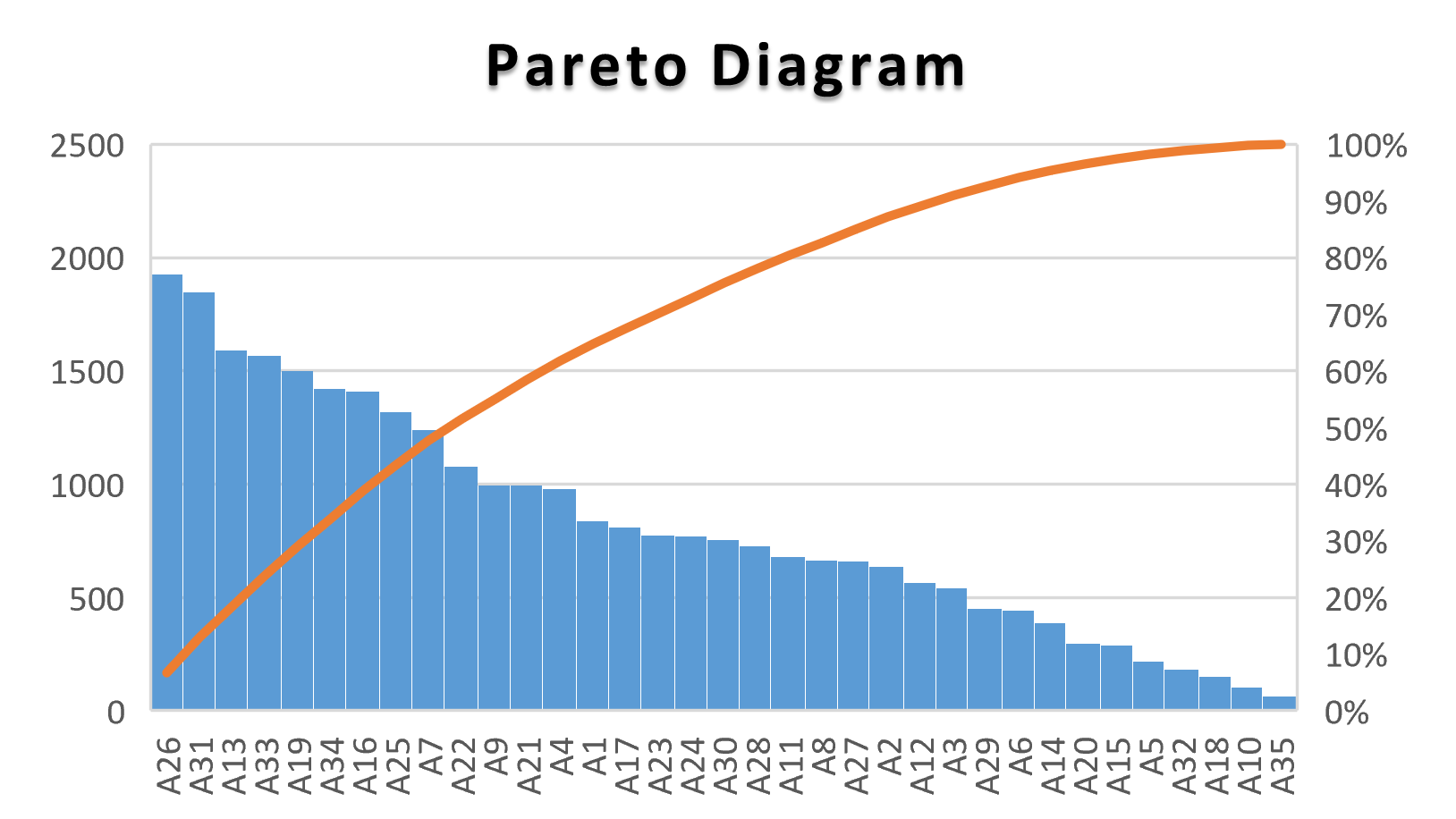
The absence of halal assurance mechanisms in blood donation systems presents an urgent challenge in ensuring both medical safety and halal compliance within the blood supply chain (BSC), particularly in Indonesia where over 87% of the population is Muslim. The lack of official halal certification for blood donation poses risks to religious integrity and public trust. Issues such as uncertified materials, inadequate handling supervision, and potential mixing of non-halal blood emphasize the need for a systematic approach integrating medical safety and halal assurance in BSC management. This study contributes theoretically by introducing the concept of a halal blood supply chain and establishing a structured framework for managing halal-related risks in blood donation through the integration of the House of Risk (HOR) model and the Supply Chain Operations Reference (SCOR) framework. Practically, this study offers a risk-based decision support tool for blood service institutions by identifying key halal-related risks and actionable mitigation strategies. Empirically, this research employed the HOR–SCOR framework to identify, assess, and prioritize potential sources of non-halalness in the blood donation operations of PMI Sleman Regency. Data were collected through interviews, observations, and expert validation. The analysis covered 28 risk events and 35 risk agents, quantified using the Aggregate Risk Potential (ARP) and Effectiveness-to-Difficulty (ETD) ratios to determine the most critical risks and appropriate mitigation actions. The results identified four major risk sources: the absence of written halal blood criteria, improper storage temperature, misinterpretation of test results, and machine errors in the crossmatching process. The findings indicate that applying the HOR framework effectively reduces halal-related risks while enhancing operational reliability, transparency, and Shariah compliance within blood donation systems. Furthermore, this study provides a foundation for developing a national halal BSC model and certification system in collaboration with relevant authorities such as BPJPH and MUI.
References
Alshalani, A., Uhel, F., Cremer, O. L., Schultz, M. J., de Vooght, K. M. K., van Bruggen, R., Acker, J. P., & Juffermans, N. P. (2022). Donor-recipient sex is associated with transfusion-related outcomes in critically ill patients. Blood Advances, 6(11), 3260–3267. https://doi.org/10.1182/bloodadvances.2021006402
Amalina, N. N., Liputra, D. T., & Heryanto, R. M. (2024). Analisis Penyebab Risiko pada Rantai Pasok Darah di Masa Pandemi COVID-19 Menggunakan Model Supply Chain Operations Reference (SCOR) dan Failure Modes and Effects Analysis (FMEA). JISI: Jurnal Integrasi Sistem Industri, 11(1), 65–76. https://doi.org/10.24853/jisi.11.1.65-76
Astiwara, E. M. (2023). Halal Certification Regulation on Health Products: A Global Comparative Study. International Journal of Science and Society, 5(3), 470–483. https://doi.org/10.54783/ijsoc.v5i3.1422
Bahiyah, S. D. (2024). Assessing the Istislahiah Method in Islamic law: Study of The Utilization of Science in Ushul Fiqh in The Context of Indonesian Fiqh. In Indonesian Journal of Law and Islamic Law (IJLIL).
Cagliano, A. C., Grimaldi, S., Rafele, C., & Campanale, C. (2022). An enhanced framework for blood supply chain risk management. Sustainable Futures, 4, 100091. https://doi.org/10.1016/j.sftr.2022.100091
Fathi, E., Zailani, S., Iranmanesh, M., & Kanapathy, K. (2016). Drivers of consumers’ willingness to pay for halal logistics. British Food Journal, 118(2), 464–479. https://doi.org/10.1108/BFJ-06-2015-0212
Heryanto, R. M., Liputra, D. T., Arisandhy, V., & Amalina, N. N. (2024). Desain Mitigasi Risiko Rantai Pasok Darah Menggunakan Pendekatan Baru. Jurnal Rekayasa Sistem Industri, 13(2), 143–156. https://doi.org/10.26593/jrsi.v13i2.7326.143-156
Hilme, S. I., & Raffi, R. M. (2024). Maqasid Approach and Shariah Rules Towards Halal Industry. Journal of Halal Science, Industry, and Business, 2(2), 1–14. https://doi.org/10.31098/jhasib.v2i2.2691
Hossain, M. S., Siam, M. H. B., Hasan, M. N., Jahan, R., & Siddiqee, M. H. (2022). Knowledge, attitude, and practice towards blood donation among residential students and teachers of religious institutions in Bangladesh – A cross-sectional study. Heliyon, 8(10), e10792. https://doi.org/10.1016/j.heliyon.2022.e10792
Ibrahim, A. (2023). Islamic economic and financial practices in Indonesia: From local to a potential global framework. Share: Jurnal Ekonomi Dan Keuangan Islam. https://jurnal.arraniry.ac.id/index.php/Share/article/view/18997.html
Indarti, N., Lukito-Budi, A. S., & Islam, A. M. (2020). A systematic review of halal supply chain research: to where shall we go? Journal of Islamic Marketing, 12(9), 1930–1949. https://doi.org/10.1108/JIMA-05-2020-0161
Juhari, A. R., & Gassing, A. Q. (2025). Global Halal Standardization and National Regulatory Dilemmas: An Islamic Legal Analysis of Indonesian Halal Certification in the Context of the Global Market. INOMATEC: Jurnal Inovasi. https://portalpublikasi.com/index.php/inomatec/article/view/723
Kalijaga, M. A., & Handayani, D. (2022). Risk Mitigation Design as a Proposed Improvement of Blood Supply Chain During the Covid-19 Pandemic Using House of Risk and System Dynamic. https://doi.org/10.2991/aer.k.220131.040
Kurniawati, D. A., & Cakravastia, A. (2023). A review of halal supply chain research: Sustainability and operations research perspective. Cleaner Logistics and Supply Chain, 6, 100096. https://doi.org/10.1016/j.clscn.2023.100096
Li, N., Pham, T., Cheng, C., McElfresh, D. C., & Goel, R. (2023). Blood demand forecasting and supply management: an analytical assessment of key studies utilizing novel computational techniques. Transfusion Medicine Reviews. https://doi.org/10.1016/j.tmrv.2023.150768
Maulida, S., & Ali, M. M. (2023). Maqasid Shariah Index: A Literature Review. Maqasid Al-Shariah Review, 2(1). https://doi.org/10.58968/msr.v2i1.309
Millie, J., & Baulch, E. (2024). Beyond the middle classes, beyond new media: The politics of Islamic consumerism in Indonesia. Asian Studies Review. https://doi.org/10.1080/10357823.2023.2291103
Mitra, B., Garland, R., Catalano, J., O’Reilly, G., & Nevill, A. (2025). Reducing blood wastage through introduction of a transfusion team. Scandinavian Journal of Trauma, Resuscitation and Emergency Medicine, 33(1), 136. https://doi.org/10.1186/s13049-025-01452-w
Musa, S. F. P. D., & Besar, H. A. (2025). Halal and Tayyiban Food Security: The Way Forward for Brunei Darussalam. In The Halal Industry in Asia. Springer. https://doi.org/10.1007/978-981-96-0393-0_16
Nayeri, N. D., Nadali, J., Divani, A., & Hatefimoadab, N. (2022). Ways To Enhance Blood Transfusion Safety: A Systematic Review. Florence Nightingale Journal of Nursing, 30(3), 288–300. https://doi.org/10.5152/FNJN.2022.21214
Ouyang, Y., & Huang, Y. (2024). Evaluation of the SCOR model research. In Frontiers. https://doi.org/10.54097/wqvp6z84
Puji, A. A. (2024). Supply chain risk mitigation based on the integration of house of risk and moora. Jurnal Teknik Industri. https://ejournal.umm.ac.id/index.php/industri/article/view/30034
Qisthani, N. N., Hidayatuloh, S., & Kasanah, Y. U. (2023). Analysis of Beef Halal Critical Points with Halal Logistics Approach and Risk Management. Jurnal Ilmiah Teknik Industri, 22(1), 40–48. https://doi.org/10.23917/jiti.v22i1.20617
Ramirez-Arcos, S., Garcia-Otalora, M., & McDonald, C. (2023). Microbiological environmental contamination in the blood supply chain: An international survey by the bacterial subgroup of the ISBT Transfusion-Transmitted Infectious Diseases Working Party. Vox Sanguinis, 118(8), 656–665. https://doi.org/10.1111/vox.13476
Raras, D. M. F., Ridwan, A. Y., & Pambudi, H. K. (2020). Design Mitigation and Monitoring System of Blood Supply Chain Using SCOR (Supply Chain Operational Reference) and HOR (House of Risk). IOP Conference Series: Materials Science and Engineering, 982(1), 012058. https://doi.org/10.1088/1757-899X/982/1/012058
Rees, C. E. D., Swift, B. M. C., & Haldar, P. (2024). State-of-the-art detection of Mycobacterium tuberculosis in blood during tuberculosis infection using phage technology. In International Journal of Infectious Diseases. Elsevier. https://doi.org/10.1016/j.ijid.2024.106991
Rusmiyanti, R., Santoso, A. P. A., & Habib, M. (2025). Legal Analysis of Blood Donation in Indonesia from the Perspective of Islamic Ethics. Research of Service Administration Health and Sains Healthys, 6(2). https://doi.org/10.58258/rehat.v6i2.9751
Shaker, F., & Shahin, A. (2025). An integrated framework for prioritizing risk mitigation approaches – the case of dairy supply chain. International Journal of Productivity and Performance Management, 74(1), 139–162. https://doi.org/10.1108/IJPPM-06-2023-0304
Showole, R. K., Jaiyeoba, H. B., & Abdur-Rauf, I. A. (2025). Entrenching Green and Blue Economy Sustainability Through Halal Supply Chain Management. Green and Blue Economy Frameworks for Halal Industry Sustainability. https://doi.org/10.1007/978-981-96-1729-6_7
Singh, A. P., Saxena, R., & Saxena, S. (2024). Professional Blood Donors: Ethical Concerns and Complexities. Journal of International Research in Medical and Pharmaceutical Sciences, 19(1), 17–23. https://doi.org/10.56557/jirmeps/2024/v19i18603
Siswanto, N., Wangsa, I. D., Baihaqy, A. R., Suwignjo, P., & Yu, V. F. (2025). An analytical review of blood supply chain management literature through science mapping and strategic diagrams. In Healthcare Analytics. Elsevier. https://doi.org/10.1016/j.health.2025.100433
Sunyoto, D., & Kalijaga, M. A. (2024). Perancangan Strategi Mitigasi Risiko dan Key Risk Indicators pada Blood Supply Chain PMI Kabupaten Gunungkidul. Jurnal Ilmiah Teknik Industri, 11(3), 221–230. https://doi.org/10.24912/jitiuntar.v11i3.26802
Szczyrba, A., & Ingaldi, M. (2024). Implementation of the FMEA Method as a Support for the HACCP System in the Polish Food Industry. Management Systems in Production Engineering, 32(3), 357–371. https://doi.org/10.2478/mspe-2024-0034
Talebe, T., Harun, H., Musyahidah, S., & Attamimi, S. (2025). Blood Transfusion in Islam: An Integrative Analysis of Quranic Interpretation, Medical Ethics, and Social Perspectives. Journal of Health and Nutrition Research, 4(2), 738–746. https://doi.org/10.56303/jhnresearch.v4i2.465
Thawley, C., Crystallin, M., & Verico, K. (2024). Towards a higher growth path for Indonesia. Bulletin of Indonesian Economic Studies. https://doi.org/10.1080/00074918.2024.2432035
Tieman, M. (2011). The application of Halal in supply chain management: in-depth interviews. Journal of Islamic Marketing, 2(2), 186–195. https://doi.org/10.1108/17590831111139893
Triyonoa, T., & Pratiwib, D. (2025). Analysis of donor characteristics in a Tertiary Hospital Blood Center in Indonesia. In Journal of Medicinal and Pharmaceutical Cheimistry Research. https://doi.org/10.48309/jmpcr.2025.466324.1319
Van D. B. S., & Broeckaert, B. (2011). The Ongoing Charity of Organ Donation. Contemporary English Sunni Fatwas on Organ Donation and Blood Transfusion. Bioethics, 25(3), 167–175. https://doi.org/10.1111/j.1467-8519.2009.01782.x
Wahyuni, D., Nasution, A. H., Budiman, I., & Arfidhila, N. (2020). Halal Risk Analysis at Indonesia Slaughterhouses Using the Supply Chain Operations Reference (SCOR) and House of Risk (HOR) Methods. Journal of Physics: Conference Series, 1542(1), 012001. https://doi.org/10.1088/1742-6596/1542/1/012001
Wang, Z. (2024). Research on Risk Control in Coffee Milk Beverage Production Based on HACCP and FMEA. BIO Web of Conferences, 142, 01020. https://doi.org/10.1051/bioconf/202414201020
Yang, M., Lim, M. K., Qu, Y., Ni, D., & Xiao, Z. (2023). Supply chain risk management with machine learning technology: A literature review and future research directions. In Computers &Industrial Engineering. Elsevier. https://doi.org/10.1016/j.cie.2022.108859
Downloads
Published
Issue
Section
License
Copyright (c) 2026 Nisrina, Agus Mansur, Rajiv, Norhidaya

This work is licensed under a Creative Commons Attribution-ShareAlike 4.0 International License.





.png)