Reverse Engineering of a Submersible Pump Cover Using 3D Scanning and Additive Manufacturing Technology
DOI:
https://doi.org/10.12928/si.v24i2.588Keywords:
Product design, Productivity, Pump cover, Reverse engineeringAbstract
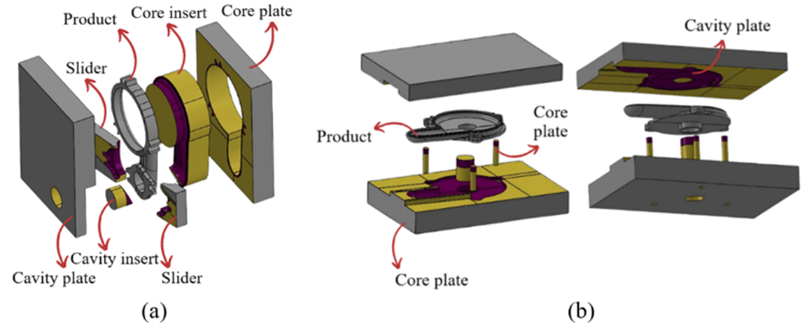
Submersible pumps are commonly used to handle heterogeneous fluids, including water, mud, gravel, and other sediments, particularly in traditional coal mining operations. A submersible pump used by a conventional coal mining company in Bayah City exhibited severe corrosion after approximately one week of service. Corrosion-induced perforations in the pump cover obstruct suction, thereby reducing mining productivity and necessitating weekly replacement. This reverse engineering (RE) study aims to generate accurate product geometry data for further development and to enhance the corrosion resistance of the pump casing beyond one week of operation, thereby improving mining productivity through reduced maintenance downtime. The RE workflow integrates 3D scanning, CAD remodeling, finite element analysis, additive manufacturing (AM), and field testing. The process successfully produced a high-fidelity 3D geometric model of the pump cover suitable for product development and yielded a redesigned pump cover manufacturable via injection molding with a maximum deformation of 0.75 mm and a maximum von Mises stress of 17.6 MPa. Simulation results indicate an outlet water flow rate of 0.2 m³/min, while field testing demonstrates that the improved pump cover can operate for more than six months. This study contributes to the advancement of reverse engineering applications in mining equipment by demonstrating an integrated digital engineering framework that combines 3D scanning, computer-aided design, numerical simulation, additive manufacturing, and field validation to accelerate product redesign and significantly improve the service life of corrosion-prone components. Next research recommendations should focus on material optimization and surface treatment to enhance durability. Innovation opportunities lie in advanced casting routes combined with microstructure control and protective surface coatings to improve performance and service life.
References
Akerdad, M., Aboutajeddine, A., & Elmajdoubi, M. (2023). Development of a redesign process based on reverse engineering and patent circumvention. International Journal on Interactive Design and Manufacturing (IJIDeM), 17(1), 261–277. https://doi.org/10.1007/s12008-022-00918-w
Arvianto, A., Cahyani, D. C., & Saputra, D. W. N. (2025). Optimizing Container Repositioning Using a Sequential Insertion Algorithm for Pickup-Delivery Routing in Export-Import Operations. In Spektrum Industri. https://doi.org/10.12928/si.v23i1.349
Cechmanek, D., Kohar, R., Cuchor, D., & Pompas, L. (2023). A Structural Design of the Injection Mould. Transportation Research Procedia, 74, 576–583. https://doi.org/10.1016/j.trpro.2023.11.184
Fan, L., Wang, J., Xu, Z., & Yang, X. (2022). A Reverse Modeling Method Based on CAD Model Prior and Surface Modeling. Machines, 10(10), 905. https://doi.org/10.3390/machines10100905
Formlabs. (2020). Rigid 4000 Resin. Engineering Resin Formlabs, 1–2.
Helle, R. H., & Lemu, H. G. (2021). A case study on use of 3D scanning for reverse engineering and quality control. Materials Today: Proceedings, 45, 5255–5262. https://doi.org/10.1016/j.matpr.2021.01.828
Javaid, M., Haleem, A., Pratap Singh, R., & Suman, R. (2021). Industrial perspectives of 3D scanning: Features, roles and it’s analytical applications. Sensors International, 2, 100114. https://doi.org/10.1016/j.sintl.2021.100114
Kazmer, D. O. (2007). Injection Mold Design Engineering; Hanser Gardner Pubications. In Inc.: Cincinnati, OH, USA.
Klimecka-Tatar, D., & Krynke, M. (2025). Reverse engineering tools - 3D scanning - as support for precise quality control in automated special processes. Procedia Computer Science, 253, 1933–1942. https://doi.org/10.1016/j.procs.2025.01.255
Kurnia, W. I., Harits, D., & Cahyo, W. N. (2025). The analysis of the digitalization role on towards supply chain resilience and sustainable (Case study: MSME in Balikpapan city). In Spektrum Industri. journal3.uad.ac.id. https://journal3.uad.ac.id/index.php/spektrum/article/view/277
Liu, P. X., & Wang, Y. (2011). Model construction based on CMM and optical scanning data for reverse engineering. Global Product Development: Proceedings of the 20th. https://doi.org/10.1007/978-3-642-15973-2_69
Lopez, J., & Vila, C. (2021). An approach to Reverse Engineering Methodology for Part Reconstruction with Additive Manufacturing. IOP Conference Series: Materials Science and Engineering, 1193(1), 012047. https://doi.org/10.1088/1757-899X/1193/1/012047
Marques, A., Dieste, J. A., Monzon, I., Laguia, A., Gracia, P., Javierre, C., Claveria, I., & Elduque, D. (2024). Improvements in Injection Moulds Cooling and Manufacturing Efficiency Achieved by Wire Arc Additive Manufacturing Using Conformal Cooling Concept. Polymers, 16(21), 3057. https://doi.org/10.3390/polym16213057
Maurya, R. K. (2019). Digital Signal Processing of Experimental Pressure Signal. Reciprocating Engine Combustion Diagnostics: In Reciprocating Engine Combustion Diagnostics. https://doi.org/10.1007/978-3-030-11954-6_5
Melysa, R., Putra, D. F., Julianto, D., Yulianto, D., & Rosli, M. I. (2021). The Evaluation and Optimization Of Electrical Submersible Pump Wells That Have A High Pi Using Variable Speed Drive With Frequency Above 60hz in X Field Y Wells. In Journal of Renewable Energy and Mechanics. https://journal.uir.ac.id/index.php/REM/article/view/6910
Menges, G., Michaeli, W., & Mohren, P. (2013). How to Make Injection Molds, 12–32, 85–103. Carl Hanser Verlag GmbH Co KG.
Myszka, D. H. (2012). Manufacturing Process Selection Handbook. Mexico Pearson-Mexico.
Onyia, T. M., I. A. Ajao Olarinoye, & S. A. Jimoh. (2025). Advancements and Challenges in 3D Scanning. African Journal of Advances in Science and Technology Research, 18(1), 191–206. https://doi.org/10.62154/ajastr.2025.018.010640
Page, D., Koschan, A., & Abidi, M. (2007). Methodologies and Techniques for Reverse Engineering–The Potential for Automation with 3-D Laser Scanners. In Reverse Engineering (pp. 11–32). Springer London. https://doi.org/10.1007/978-1-84628-856-2_2
Ponticelli, G. S., Tagliaferri, F., Venettacci, S., Horn, M., Giannini, O., & Guarino, S. (2021). Re-Engineering of an Impeller for Submersible Electric Pump to Be Produced by Selective Laser Melting. Applied Sciences, 11(16), 7375. https://doi.org/10.3390/app11167375
Saiga, K., Ullah, A. S., Kubo, A., & Tashi. (2021). A Sustainable Reverse Engineering Process. Procedia CIRP, 98, 517–522. https://doi.org/10.1016/j.procir.2021.01.144
Akerdad, M., Aboutajeddine, A., & Elmajdoubi, M. (2023). Development of a redesign process based on reverse engineering and patent circumvention. International Journal on Interactive Design and Manufacturing (IJIDeM), 17(1), 261–277. https://doi.org/10.1007/s12008-022-00918-w
Arvianto, A., Cahyani, D. C., & Saputra, D. W. N. (2025). Optimizing Container Repositioning Using a Sequential Insertion Algorithm for Pickup-Delivery Routing in Export-Import Operations. In Spektrum Industri. https://doi.org/10.12928/si.v23i1.349
Cechmanek, D., Kohar, R., Cuchor, D., & Pompas, L. (2023). A Structural Design of the Injection Mould. Transportation Research Procedia, 74, 576–583. https://doi.org/10.1016/j.trpro.2023.11.184
Fan, L., Wang, J., Xu, Z., & Yang, X. (2022). A Reverse Modeling Method Based on CAD Model Prior and Surface Modeling. Machines, 10(10), 905. https://doi.org/10.3390/machines10100905
Helle, R. H., & Lemu, H. G. (2021). A case study on use of 3D scanning for reverse engineering and quality control. Materials Today: Proceedings, 45, 5255–5262. https://doi.org/10.1016/j.matpr.2021.01.828
Javaid, M., Haleem, A., Pratap Singh, R., & Suman, R. (2021). Industrial perspectives of 3D scanning: Features, roles and it’s analytical applications. Sensors International, 2, 100114. https://doi.org/10.1016/j.sintl.2021.100114
Kazmer, D. O. (2007). Injection Mold Design Engineering; Hanser Gardner Pubications. In Inc.: Cincinnati, OH, USA.
Klimecka-Tatar, D., & Krynke, M. (2025). Reverse engineering tools - 3D scanning - as support for precise quality control in automated special processes. Procedia Computer Science, 253, 1933–1942. https://doi.org/10.1016/j.procs.2025.01.255
Kurnia, W. I., Harits, D., & Cahyo, W. N. (2025). The analysis of the digitalization role on towards supply chain resilience and sustainable (Case study: MSME in Balikpapan city). In Spektrum Industri. journal3.uad.ac.id. https://journal3.uad.ac.id/index.php/spektrum/article/view/277
Liu, P. X., & Wang, Y. (2011). Model construction based on CMM and optical scanning data for reverse engineering. Global Product Development: Proceedings of the 20th. https://doi.org/10.1007/978-3-642-15973-2_69
Lopez, J., & Vila, C. (2021). An approach to Reverse Engineering Methodology for Part Reconstruction with Additive Manufacturing. IOP Conference Series: Materials Science and Engineering, 1193(1), 012047. https://doi.org/10.1088/1757-899X/1193/1/012047
Marques, A., Dieste, J. A., Monzon, I., Laguia, A., Gracia, P., Javierre, C., Claveria, I., & Elduque, D. (2024). Improvements in Injection Moulds Cooling and Manufacturing Efficiency Achieved by Wire Arc Additive Manufacturing Using Conformal Cooling Concept. Polymers, 16(21), 3057. https://doi.org/10.3390/polym16213057
Maurya, R. K. (2019). Digital Signal Processing of Experimental Pressure Signal. Reciprocating Engine Combustion Diagnostics: In Reciprocating Engine Combustion Diagnostics. https://doi.org/10.1007/978-3-030-11954-6_5
Melysa, R., Putra, D. F., Julianto, D., Yulianto, D., & Rosli, M. I. (2021). The Evaluation and Optimization Of Electrical Submersible Pump Wells That Have A High Pi Using Variable Speed Drive With Frequency Above 60hz in X Field Y Wells. In Journal of Renewable Energy and Mechanics. https://journal.uir.ac.id/index.php/REM/article/view/6910
Menges, G., Michaeli, W., & Mohren, P. (2013). How to Make Injection Molds, 12–32, 85–103. Carl Hanser Verlag GmbH Co KG.
Myszka, D. H. (2012). Manufacturing Process Selection Handbook. Mexico Pearson-Mexico.
Onyia, T. M., I. A. Ajao Olarinoye, & S. A. Jimoh. (2025). Advancements and Challenges in 3D Scanning. African Journal of Advances in Science and Technology Research, 18(1), 191–206. https://doi.org/10.62154/ajastr.2025.018.010640
Page, D., Koschan, A., & Abidi, M. (2007). Methodologies and Techniques for Reverse Engineering–The Potential for Automation with 3-D Laser Scanners. In Reverse Engineering (pp. 11–32). Springer London. https://doi.org/10.1007/978-1-84628-856-2_2
Ponticelli, G. S., Tagliaferri, F., Venettacci, S., Horn, M., Giannini, O., & Guarino, S. (2021). Re-Engineering of an Impeller for Submersible Electric Pump to Be Produced by Selective Laser Melting. Applied Sciences, 11(16), 7375. https://doi.org/10.3390/app11167375
Saiga, K., Ullah, A. S., Kubo, A., & Tashi. (2021). A Sustainable Reverse Engineering Process. Procedia CIRP, 98, 517–522. https://doi.org/10.1016/j.procir.2021.01.144
Tsai, Y.-T., Wang, K.-S., & Tsai, L.-C. (2004). A study of availability-centered preventive maintenance for multi-component systems. Reliability Engineering & System Safety, 84(3), 261–270. https://doi.org/10.1016/j.ress.2003.11.011
Ulrich, T. K., Eppinger, S. D., & Yang, M. C. (2020). Product Design and Development; Chapter 10: Product Architecture. McGraw Hill, New York.
Vverim, O., & SEN, O. (2023). Application of reverse engineering method on agricultural machinery parts. International Advanced Researches and Engineering Journal, 7(1), 35–40. https://doi.org/10.35860/iarej.1188175
Wang, P., Yang, J., Hu, Y., Huo, J., & Feng, X. (2021). Innovative design of a helmet based on reverse engineering and 3D printing. Alexandria Engineering Journal, 60(3), 3445–3453. https://doi.org/10.1016/j.aej.2021.02.006
Wang, W., Zhao, F., & Peng, R. (2014). A preventive maintenance model with a two-level inspection policy based on a three-stage failure process. Reliability Engineering & System Safety, 121, 207–220. https://doi.org/10.1016/j.ress.2013.08.007
Yang, Y., Geng, Y., Wang, M., & Wei, Q. (2026). Reverse Engineering for Industrial Control Proprietary Protocols Based on Multi-Source Knowledge Fusion and LLM Inference. Information Fusion. https://www.sciencedirect.com/science/article/pii/S1566253526003477
Yao, A. W. L. (2005). Applications of 3D scanning and reverse engineering techniques for quality control of quick response products. The International Journal of Advanced Manufacturing. https://doi.org/10.1007/s00170-004-2116-5
Ye, X., Liu, H., Chen, L., Chen, Z., Pan, X., & Zhang, S. (2008). Reverse innovative design — an integrated product design methodology. Computer-Aided Design, 40(7), 812–827. https://doi.org/10.1016/j.cad.2007.07.006
Zhang, Z., Zhao, M., Shen, Z., Wang, Y., Jia, X., & Yan, D.-M. (2024). Interactive reverse engineering of CAD models. Computer Aided Geometric Design, 111, 102339. https://doi.org/10.1016/j.cagd.2024.102339
Zivkovic, S., Cerce, L., Kostic, J., Majstorovic, V., & Kramar, D. (2018). Reverse Engineering of Turbine Blades Kaplan’s type for Small Hydroelectric Power Station. Procedia CIRP, 75, 379–384. https://doi.org/10.1016/j.procir.2018.04.037
Zurn, S., & Dieterle, M. (2024). Reverse-engineering for improved end-of-life and circularity of PLA beverage cups. Procedia CIRP, 122, 7–11. https://doi.org/10.1016/j.procir.2024.01.002
Downloads
Published
Issue
Section
License
Copyright (c) 2026 Asep Indra Komara, Dea Ainul Fadhila, Meri Rahmi, Antonius Adi Soetopo, Dede Buchori Muslim, Reza Yadi Hidayat, Muhammad Nahrowi, Uli Wakanda, Paulus Mudji

This work is licensed under a Creative Commons Attribution-ShareAlike 4.0 International License.